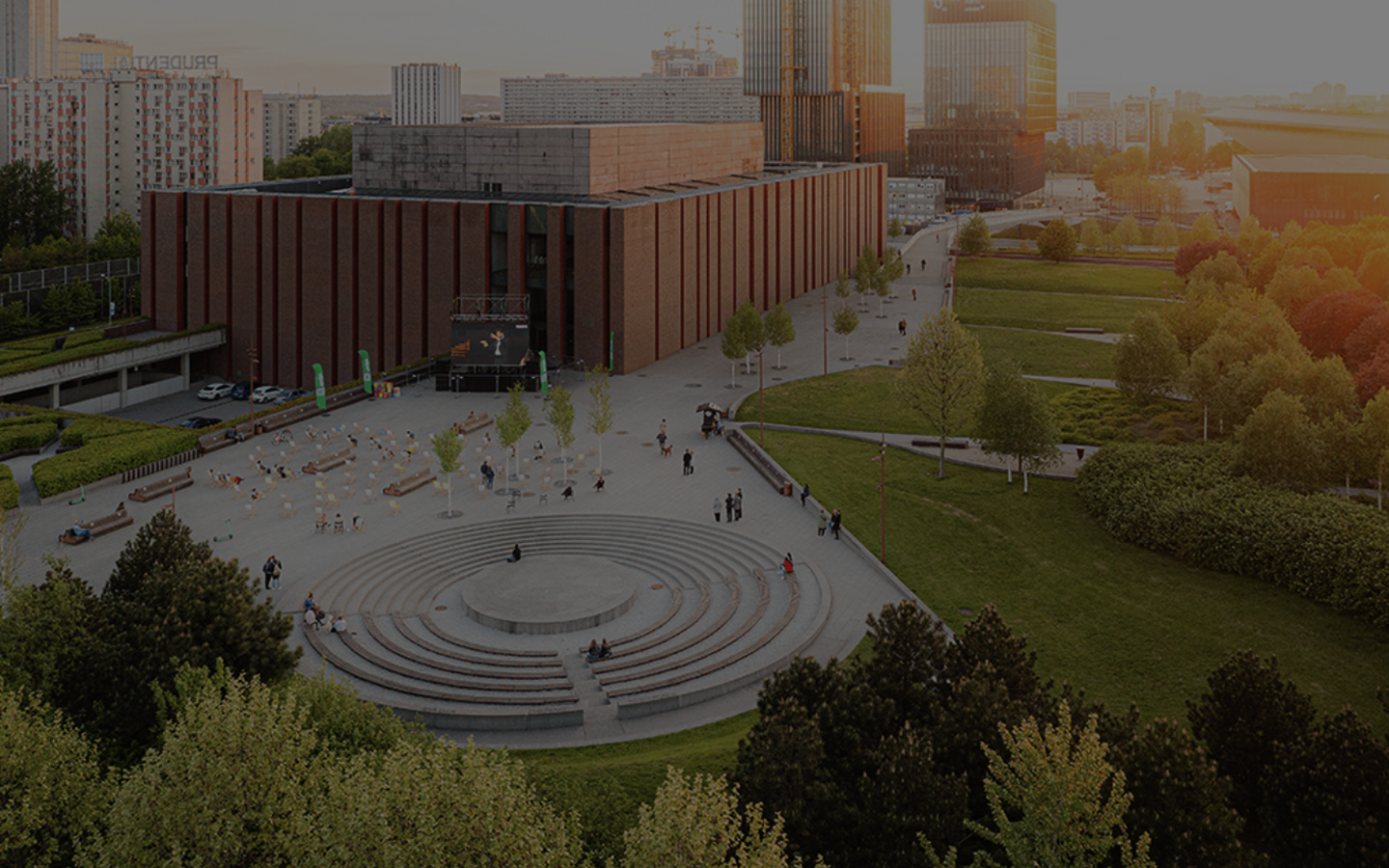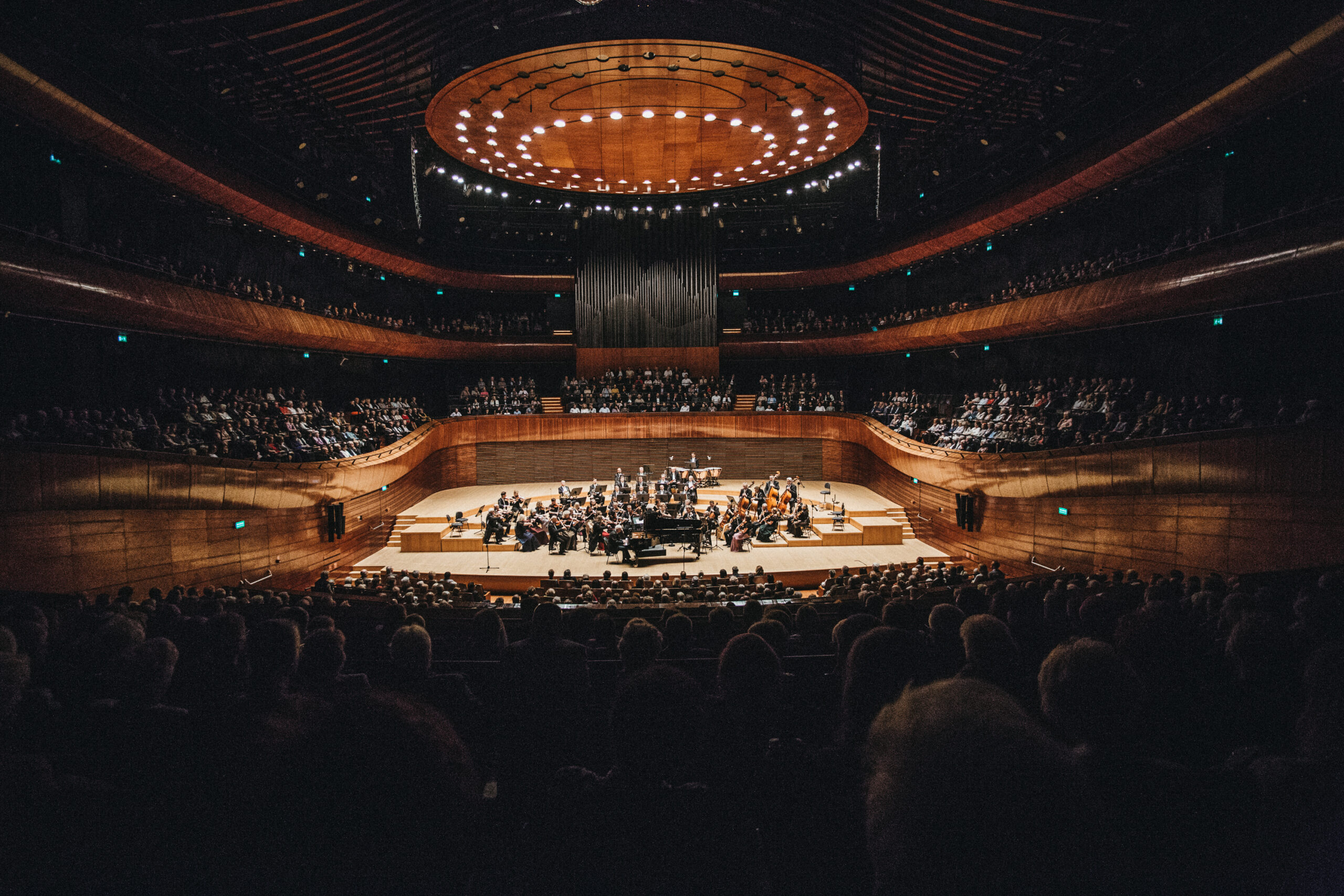

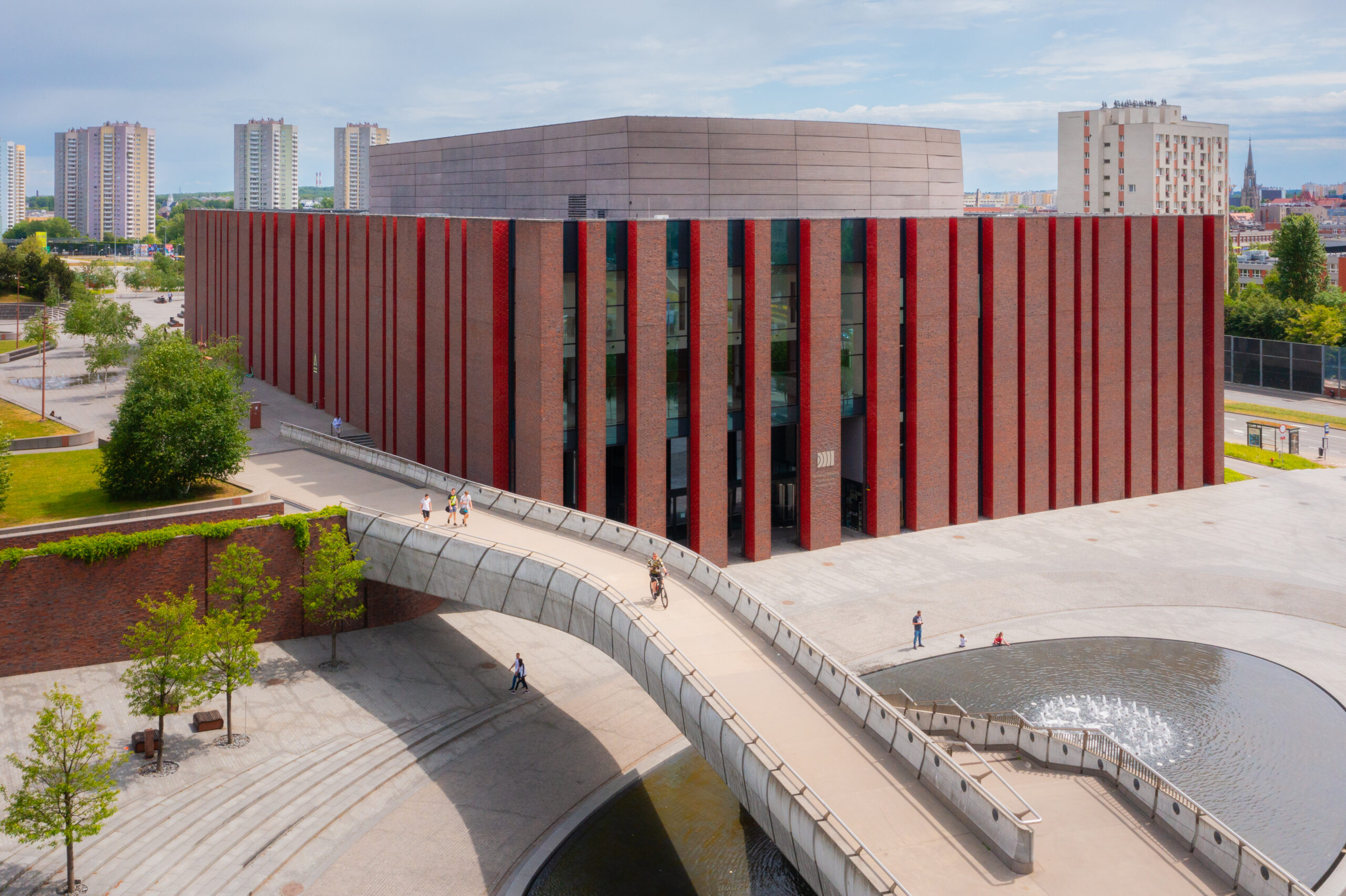
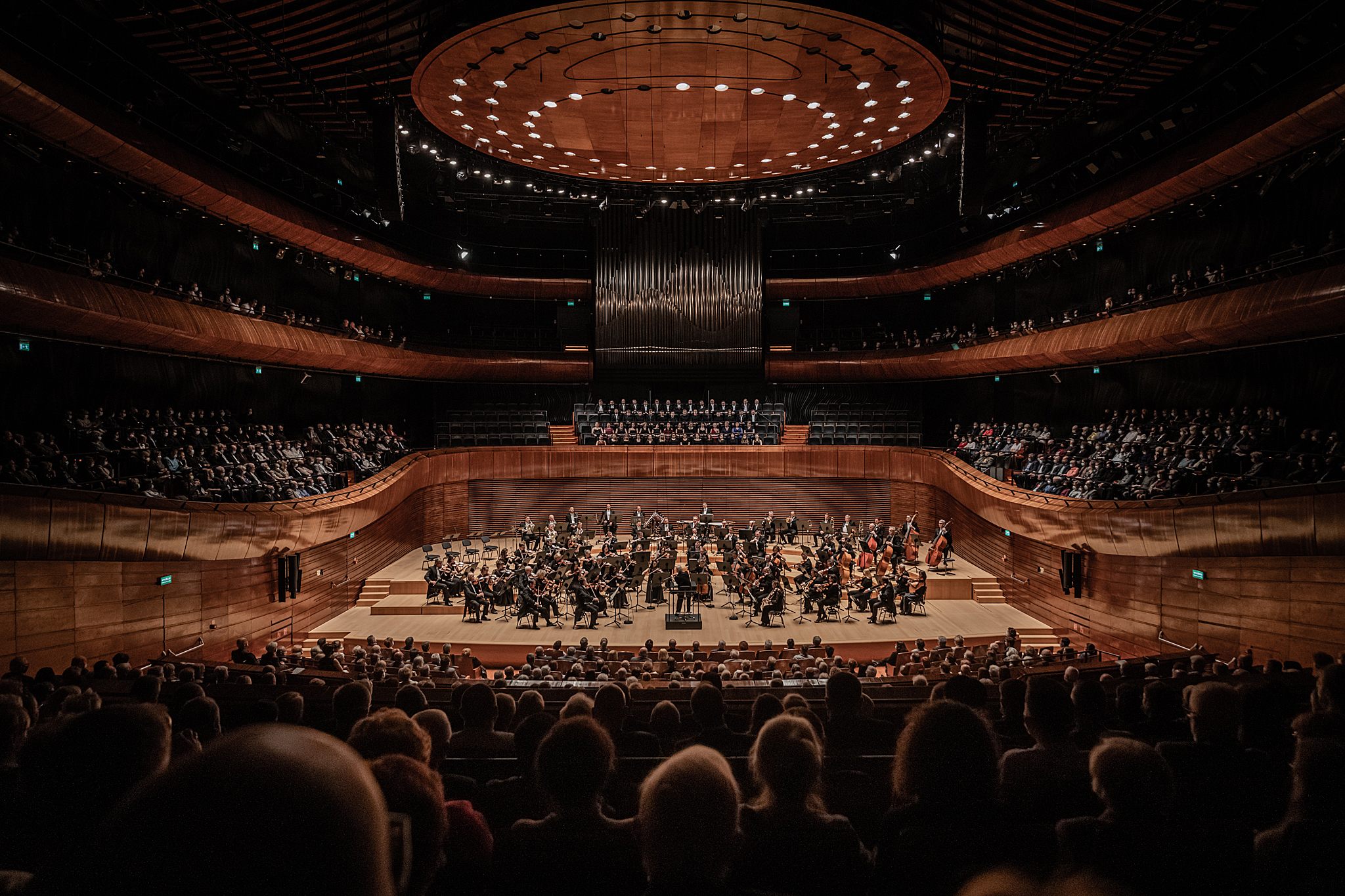
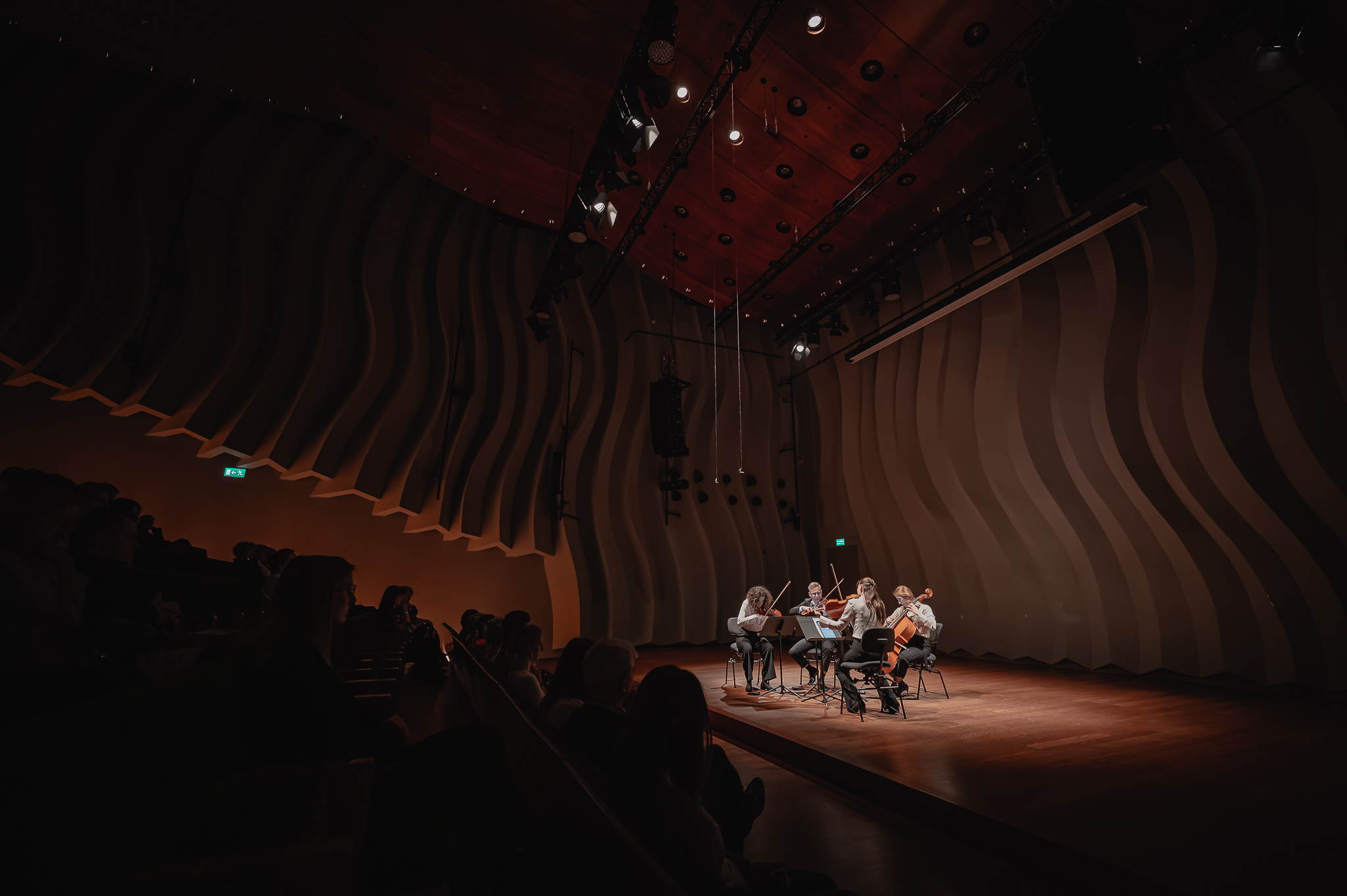
NOSPR
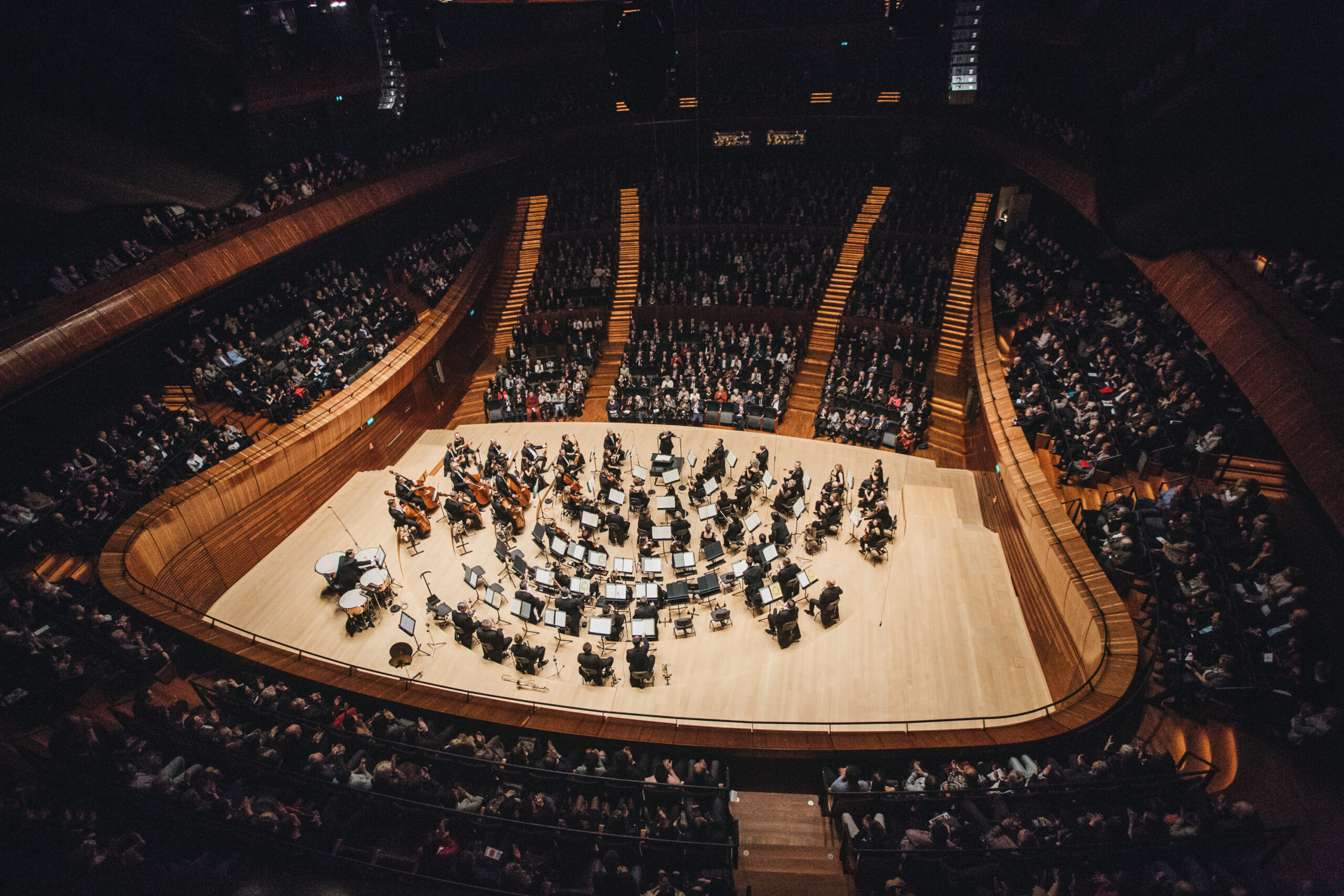
Over the decades that followed, the orchestra steadily built its international reputation, performing in the world’s most prestigious concert halls and collaborating with some of the greatest artists of our time, including Leonard Bernstein, Krystian Zimerman, Martha Argerich, Plácido Domingo and Artur Rubinstein.
Since opening in 2014, the institution’s spectacular home has attracted many of the world’s most distinguished artists and has regularly served as the venue for pioneering artistic projects.
The exceptional qualities of this venue have earned recognition not only in Poland but internationally, as reflected in NOSPR’s membership of the European Concert Hall Organisation (ECHO), which brings together 21 of Europe’s leading concert halls.
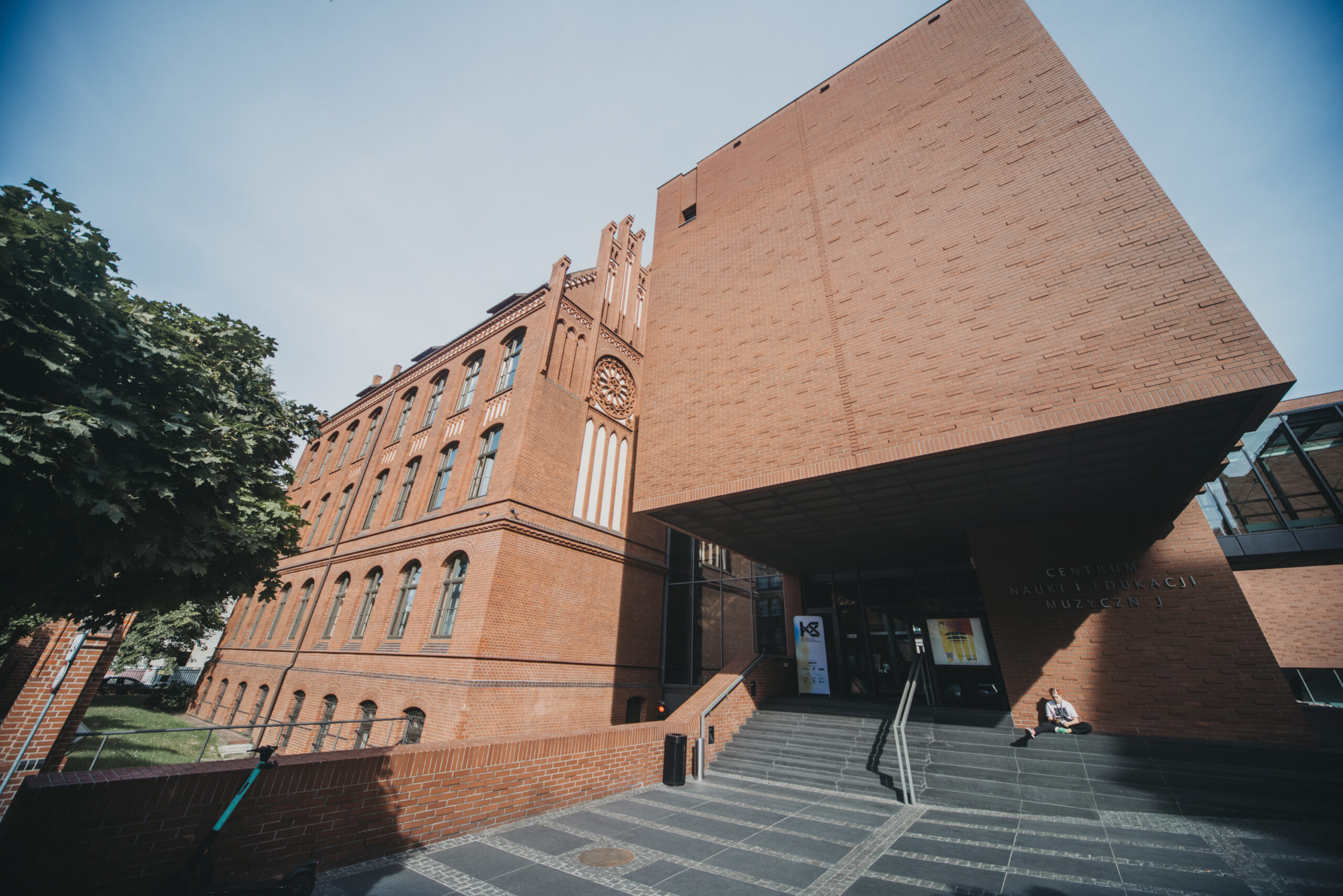
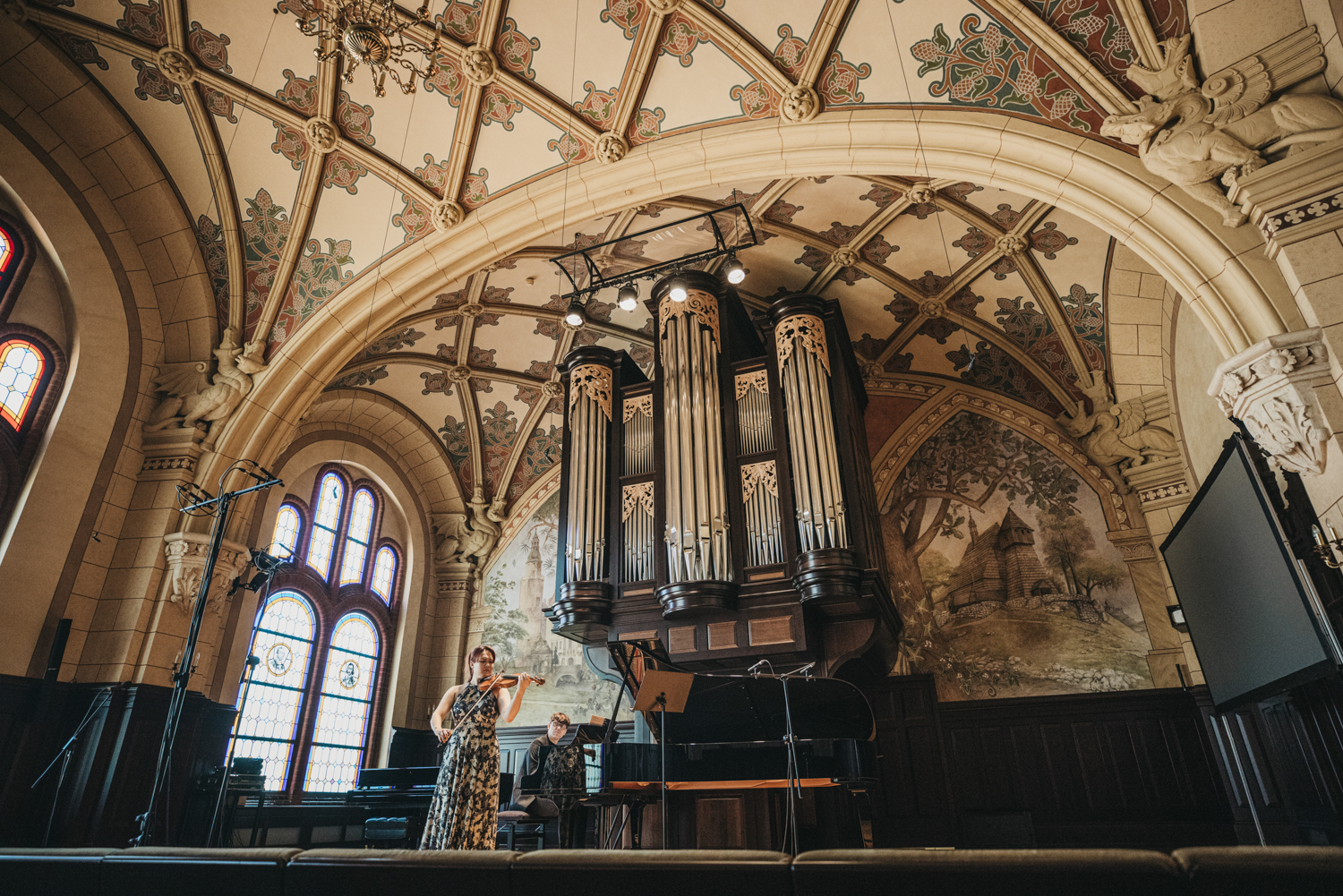
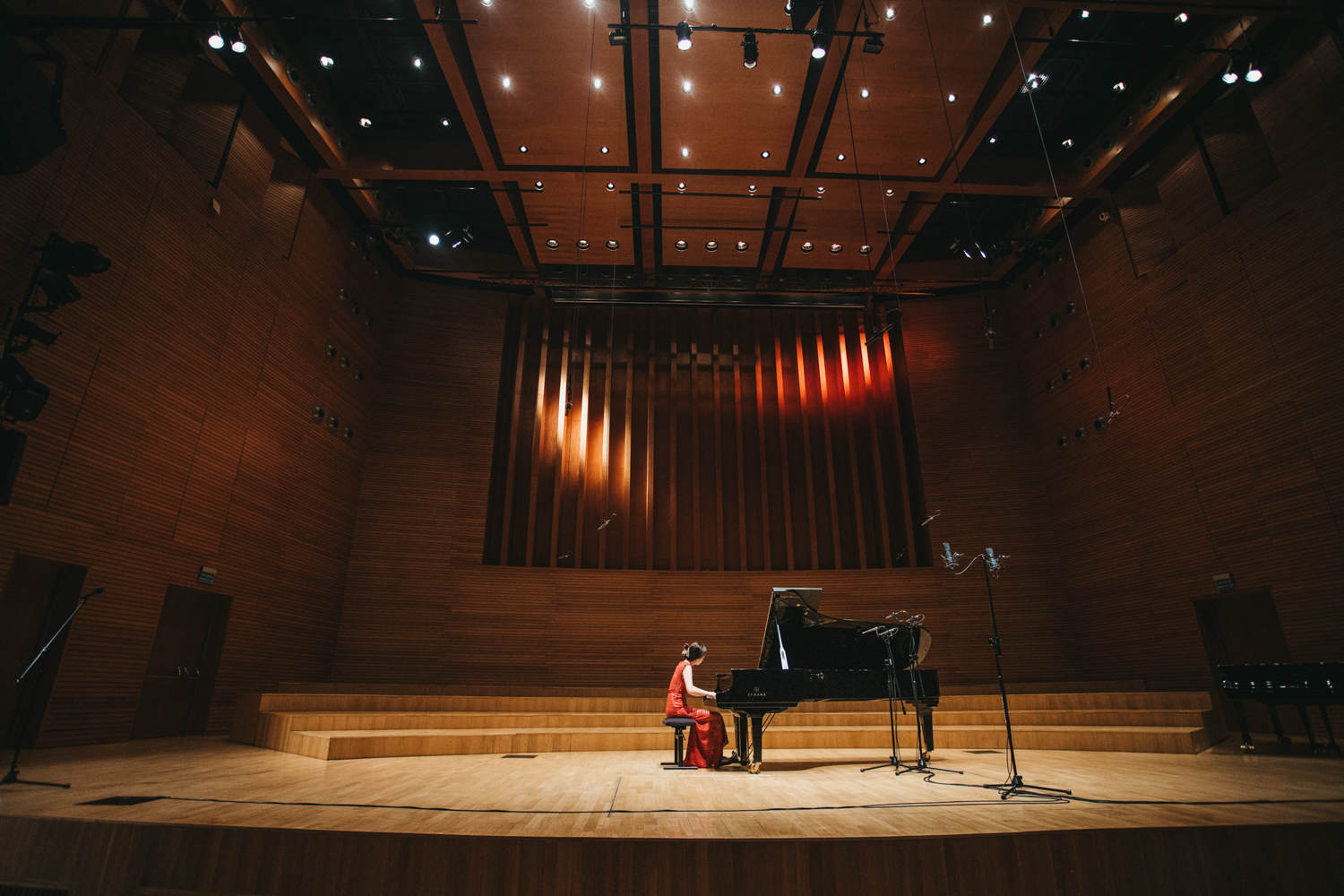
Academy of Music
Although these plans never came to fruition, the Academy’s history has been shaped by many artists closely associated with Szymanowski, including his friends Grzegorz Fitelberg and Ludomir Różycki, as well as Bolesław Szabelski, whom Szymanowski recommended for a teaching position and who later became the Academy’s Rector.
Today, the Academy comprises four faculties: the Faculty of Composition, Conducting, Music Theory and Music Education; the Instrumental Faculty; the Faculty of Vocal and Acting Studies; and the Faculty of Jazz and Popular Music. Its teaching staff and alumni include many of the most influential figures in Polish and international musical life.
The Academy’s facilities comprise five buildings housing numerous concert halls and practice rooms equipped with high-quality instruments. The Competition auditions take place in both the Academy’s historic auditorium and its modern concert hall.
Katowice
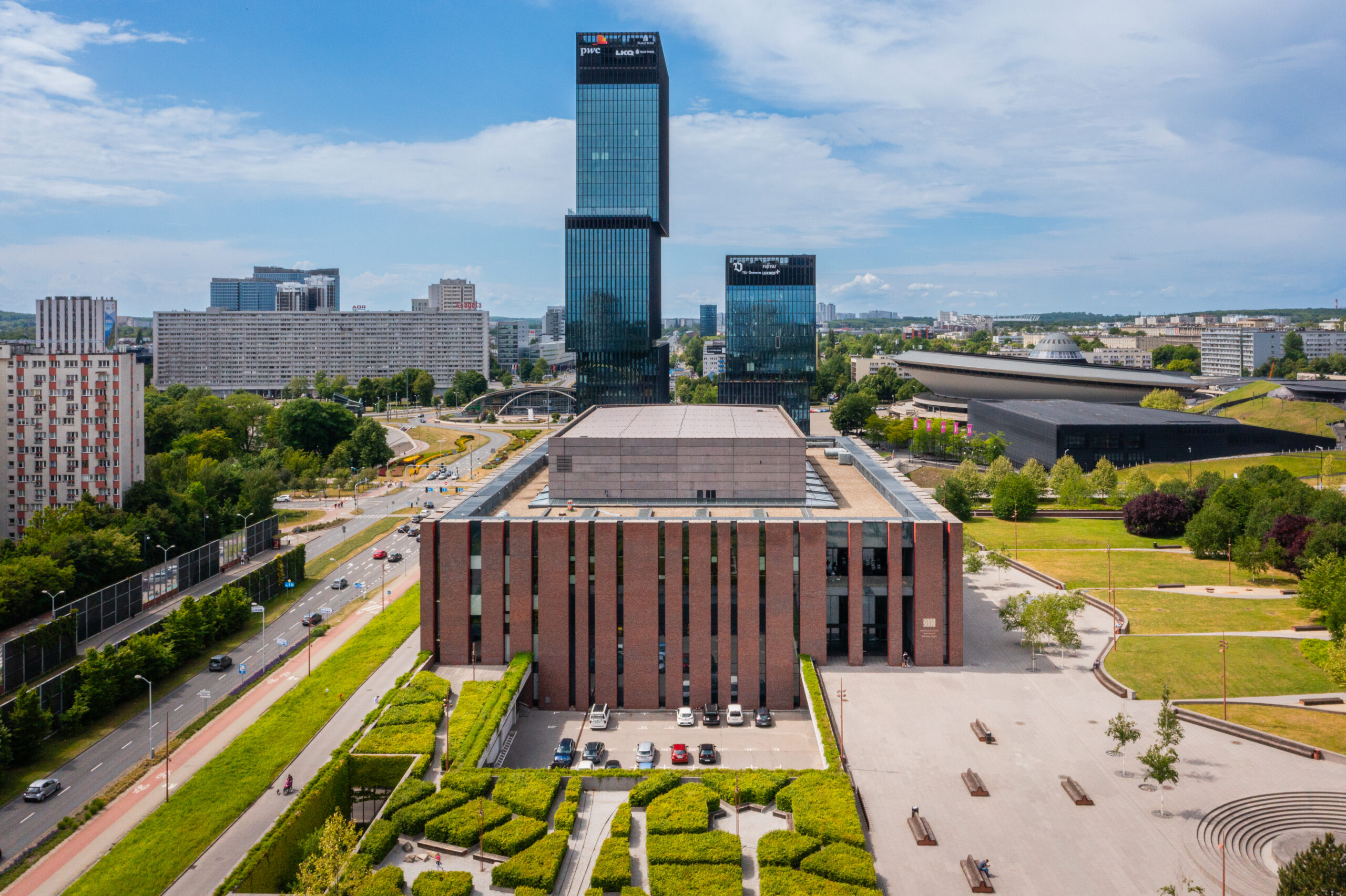
On 11 December 2015, Katowice was admitted to the UNESCO Creative Cities Network as a City of Music. This distinction recognised the importance of the city’s musical life, the diversity of its creative communities, the achievements of artists associated with Katowice, and the extensive infrastructure supporting both established cultural institutions and independent artistic initiatives.
Katowice’s musical ecosystem encompasses concert halls, music clubs, recording studios, music shops, record labels, cultural institutions, festivals and a wide range of artistic communities. It is this combination of prestigious institutions, internationally recognised events and a thriving independent scene that makes music one of the defining elements of the city’s identity.
The city’s cultural calendar features festivals representing a broad spectrum of musical genres, from alternative music, blues and electronic music to jazz, classical and contemporary music. Among the best-known are the OFF Festival, the Rawa Blues Festival, Tauron Nowa Muzyka Katowice, the Katowice Culture Nature Festival and the Festival of Premieres.
City of Music
Remarkably, although Karol Szymanowski visited Katowice only once, almost all of the city’s musical infrastructure today is inextricably linked to his legacy.
It is here that the Karol Szymanowski Academy of Music has, over the course of nearly a century, educated generations of outstanding artists, including Krystian Zimerman, Piotr Beczała and Henryk Mikołaj Górecki.
It was also in Katowice that the Polish National Radio Symphony Orchestra, founded in 1935 by Grzegorz Fitelberg, one of Szymanowski’s closest friends, was re-established after the Second World War.
For many years, the city’s authorities have recognised the transformative power of music. Although the capital of Upper Silesia was long associated primarily with mining and heavy industry, today it is redefining its identity through music.
At the same time, Katowice remains free from the bustle and relentless pace of a major metropolis, allowing visiting artists to devote themselves fully to their art. In such surroundings, the emergence of new exceptional talents in Katowice is no coincidence – it is simply a matter of time.

Practical Information
Two international airports are located approximately one hour from Katowice: Katowice Airport in Pyrzowice and John Paul II International Airport Kraków–Balice. Both offer convenient bus and shuttle connections to the city.
Katowice railway station is located in the heart of the city, around a 15-minute walk from NOSPR. It provides domestic and international rail connections, including services to destinations in the Czech Republic, Austria, Germany, Slovakia and Hungary.
Katowice also has an international coach station serving both domestic and international routes.
Katowice and the surrounding cities are well served by an extensive public transport network comprising buses, trams and regional trains. Up-to-date information on routes, timetables and tickets is available on the Transport GZM website. Visitors can also make use of taxis, ride-hailing services such as Uber and Bolt, car-sharing schemes, the Metrorower public bike system, and apps for hiring electric scooters.